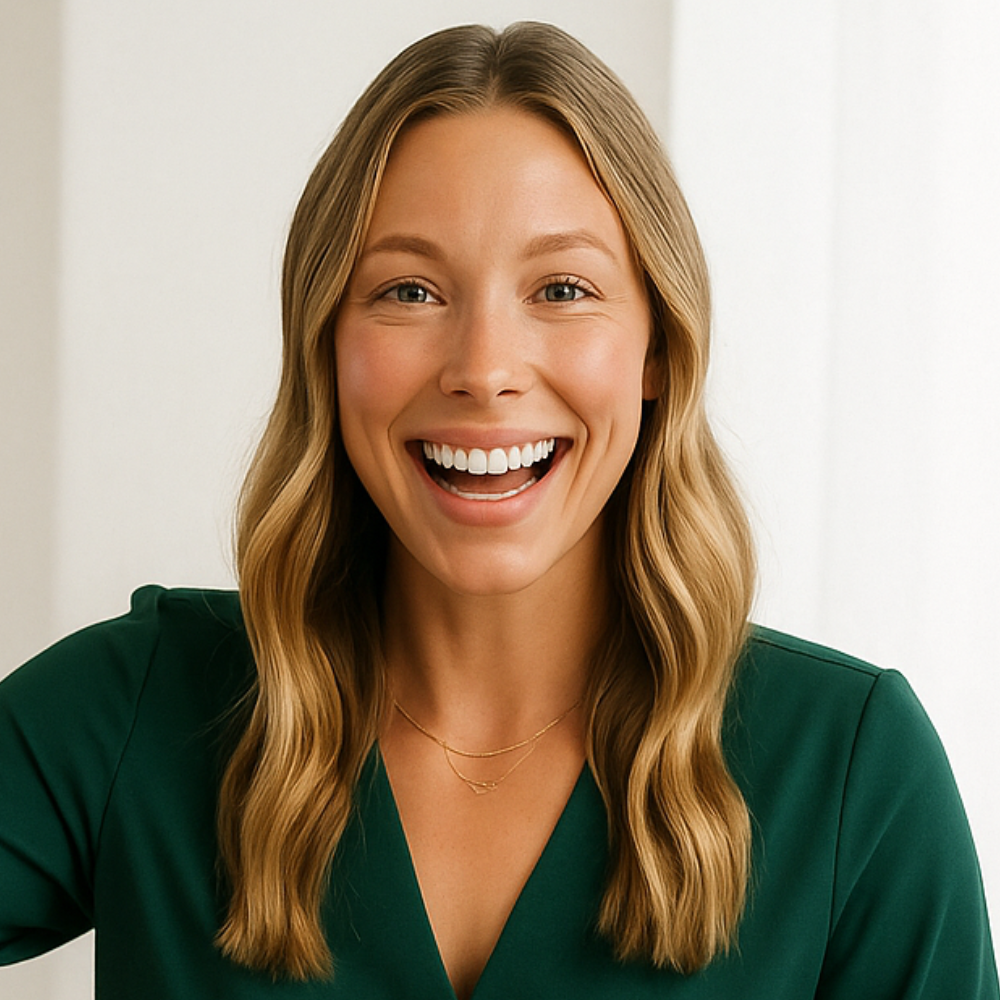
How to Get Professional Photos for Your Resume: A 2025 Guide
In a competitive job market, your resume has just a few seconds to make an impression. While skills and experience are crucial, the visual elements of your application can set you apart. Including professional photos for your resume is becoming more common in many industries, acting as a powerful tool for personal branding. A great headshot can convey confidence, approachability, and professionalism before a recruiter reads a single word, making it a critical component of your job-seeking toolkit.
However, the wrong photo can do more harm than good. A casual selfie, a poorly lit image, or an unprofessional background can signal a lack of attention to detail. This guide will walk you through everything you need to know about resume photography, from deciding if a photo is right for your industry to choosing the perfect outfit and exploring modern, efficient ways to get a studio-quality image without the high cost or hassle.
Quick Guide to a Perfect Resume Photo
Here are the essential takeaways for creating a professional resume image that works for you:
- First Impressions Count: A professional headshot helps build a personal connection and makes your application more memorable to recruiters.
- Know Your Industry: While photos are standard in creative and client-facing roles (like real estate), they are often discouraged in conservative fields or in certain countries (like the US and UK) to avoid bias.
- Professionalism is Key: Your attire, background, and expression should align with the industry you're targeting. Always opt for a clean, neutral background and professional clothing.
- Quality Over Convenience: Avoid using selfies or low-resolution images. Good lighting and a clear focus on your face are non-negotiable.
- Modern Solutions Exist: Traditional photoshoots can be costly and time-consuming. AI-powered services offer a fast, affordable, and high-quality alternative for getting the perfect headshot.
Why a Professional Photo on Your Resume Matters More Than Ever
In the digital age, personal branding is integral to career advancement. A professional photo is no longer just a small picture in the corner of a document; it's the face of your personal brand. Recruiters and hiring managers often look up candidates on platforms like LinkedIn, where a profile picture is standard. Aligning your resume photo with your professional online presence creates a consistent and polished brand identity.
A high-quality headshot for your resume humanizes your application. In a sea of text-based resumes, a photo can make your submission more memorable and help you stand out. It creates an immediate personal connection, allowing the recruiter to visualize the person behind the qualifications. This can be particularly advantageous in roles that are client-facing, such as sales, consulting, or real estate, where approachability and trustworthiness are key attributes.
Furthermore, a professional photo demonstrates a high level of professionalism and attention to detail. It shows that you have invested time and effort into presenting yourself in the best possible light. This simple act can communicate that you are serious about your career and understand the importance of making a strong first impression. It subtly tells the employer that you will bring the same level of care and professionalism to your work.
The Great Debate: Should You Include a Photo on Your Resume?

Deciding whether to include a photo on your resume depends heavily on geography, industry, and company culture. There isn't a one-size-fits-all answer, and understanding the nuances is crucial to making the right choice for your job application.
In many parts of Europe and Asia, including a professional resume image is standard practice and often expected. It's seen as a way to provide a complete profile of the candidate. Conversely, in countries like the United States, the United Kingdom, and Canada, the practice is generally discouraged. The primary reason is to prevent potential discrimination and unconscious bias based on age, race, gender, or appearance, ensuring that hiring decisions are based solely on skills and qualifications.
However, these norms are evolving. For certain industries, a photo is becoming more acceptable, even in regions where it was once taboo. Creative fields like graphic design, marketing, and media often welcome a photo as it adds to the applicant's personal brand. The same applies to customer-facing roles where a friendly and professional appearance is part of the job. Real estate professionals, for instance, rely heavily on personal branding, and a headshot is a standard part of their marketing materials, including resumes or professional bios.
Here’s a breakdown to help you decide:
Pros of Including a Resume Photo:
- Builds Connection: Helps recruiters remember you and feel a personal connection.
- Enhances Personal Brand: Creates a consistent professional image, especially if aligned with your LinkedIn profile.
- Stands Out: A professional photo can make your resume visually appealing and memorable.
- Shows Professionalism: A high-quality headshot indicates you are serious and detail-oriented.
Cons of Including a Resume Photo:
- Potential for Bias: Can lead to unconscious discrimination from hiring managers.
- Takes Up Space: Valuable resume real estate could be used for showcasing skills or experience.
- Risk of Unprofessionalism: A low-quality or inappropriate photo can hurt your chances.
- ATS Issues: Some Applicant Tracking Systems (ATS) may not parse resumes with images correctly.
The Verdict: Research the norms for your specific industry and location. When in doubt, err on the side of caution and omit the photo. If you do decide to include one, ensure it is impeccably professional.
Nailing the Look: Choosing the Right Outfit for Your Resume Photo
Your outfit in a resume photo speaks volumes about your professionalism and understanding of your target industry. The goal is to look competent, trustworthy, and like a good fit for the company culture. What you wear should be a deliberate choice, not an afterthought.
First, consider the industry standard. For corporate fields like finance, law, or consulting, traditional business attire is the safest bet. This means a well-fitted suit jacket or blazer in a neutral color like navy, charcoal grey, or black. For men, a collared shirt and tie are appropriate, while women can opt for a blouse or shell. The look should be conservative and communicate authority and seriousness.
For creative or tech industries, the dress code is often more relaxed. A suit might appear too rigid. Instead, opt for business casual. A smart blazer over a simple top, a crisp button-down shirt (no tie needed), or a professional knit sweater can work well. The key is to look polished and put-together without being overly formal. Pay attention to the company's culture—a quick look at their website or LinkedIn page can give you clues about their typical work attire.
Color choice is also important. Solid, muted colors are generally best as they are less distracting than bright hues or busy patterns. Jewel tones like emerald green, sapphire blue, or burgundy can be great options as they are rich and professional. Avoid anything with logos, loud prints, or thin stripes, which can create a distracting moiré effect on camera. Finally, keep accessories minimal. Simple jewelry and a clean, well-groomed hairstyle will ensure the focus remains on your face and your professional demeanor.
DIY vs. Pro: How to Get the Perfect Headshot for Your Resume

Once you've decided to include a photo, the next step is getting one. You have three main options: taking it yourself (DIY), hiring a professional photographer, or using a modern AI-powered solution. Each has its advantages and is suited for different needs and budgets.
Tips for a DIY Resume Photo
If you're on a tight budget, a DIY headshot can work, but it requires careful execution. Don't just snap a selfie. Ask a friend to take the photo for you to avoid the distorted angles and casual look of a selfie.
- Lighting is Everything: Natural light is your best friend. Stand facing a window to get soft, even light on your face. Avoid direct sunlight, which creates harsh shadows, and overhead indoor lighting, which can be unflattering.
- Find a Neutral Background: A plain, solid-colored wall in a light shade like white, grey, or beige is ideal. A busy or cluttered background distracts from you, the subject.
- Camera and Angle: Use the best smartphone camera you have access to. Position the camera at or slightly above your eye level. This is generally the most flattering angle. Use a tripod or have your friend hold the camera steady to ensure the image is sharp.
- Expression: Aim for a natural, confident, and approachable expression. A slight, genuine smile is usually the best option. Take multiple shots to have options to choose from.
Hiring a Professional Photographer
For a guaranteed high-quality result, hiring a professional photographer is the best route. They have the right equipment, understand lighting and posing, and can guide you to look your best. A professional headshot is an investment in your career. When choosing a photographer, look at their portfolio to ensure their style matches what you're looking for. Expect to pay anywhere from $150 to $500 or more, depending on the photographer's experience and the package they offer. While it's a significant cost, the resulting image can be used across all your professional platforms for years.
The Modern Alternative: AI-Powered Resume Photography
In recent years, a third option has emerged that combines the affordability of DIY with the quality of a professional shoot: AI headshot generators. These services use artificial intelligence to transform your casual selfies into a wide variety of studio-quality professional headshots.
For real estate professionals who need a constant supply of fresh, polished marketing materials, this technology is particularly useful. A service like Realtorheadshot.com offers a fast and affordable solution for realtors to obtain high-quality studio headshots using AI technology. Instead of coordinating a lengthy and expensive photoshoot, you can simply upload a few of your existing photos. In just 5 minutes, the platform can generate 100 professional headshots in various styles, outfits, and backgrounds, all at a fraction of the cost of a traditional photographer—often 10 times less.
This service provides realtors with quick and cost-effective access to professional headshots, enhancing their marketing efforts across resumes, business cards, websites, and social media. It solves the problem of needing a high-quality headshot for a resume quickly and without breaking the bank.
Technical Essentials: Composition, Framing, and Backgrounds
The technical aspects of your resume photo are just as important as your expression and attire. Proper composition, framing, and an appropriate background are what elevate a simple picture to a professional headshot. Getting these details right ensures your photo looks polished and intentional.
Framing Your Shot: The Rules of Composition
How you are framed within the photo is critical. The standard for a professional headshot is a "head and shoulders" shot. This means the frame should typically cut off around your mid-chest. This composition keeps the focus squarely on your face and expression, which is where you build connection and convey confidence.
Ensure there is a small amount of space above your head, known as headroom. Too much headroom can make you look small in the frame, while too little can make the photo feel cramped and claustrophobic. A good rule of thumb is to have your eyes positioned about one-third of the way down from the top of the frame. This aligns with the "rule of thirds," a classic composition principle that creates a balanced and visually pleasing image. You should be the only person in the photo, looking directly at the camera to create a sense of engagement with the viewer.
Choosing the Right Background
The background of your photo should be simple and non-distracting. Its purpose is to make you, the subject, stand out. The safest and most common choice is a solid, neutral background. White, off-white, grey, or even a muted blue can work very well. These colors are professional and won't clash with your clothing or skin tone.
Another option is a subtly blurred background of a professional environment, like an office. This can add a bit of context and depth to the image, but the blur must be significant enough that no specific details are discernible. The background should never be more interesting than you are. Absolutely avoid busy settings like a cityscape, a cluttered room in your house, or a nature scene. These are too casual for a resume and will instantly mark your photo as unprofessional.
Polishing Your Image: Editing and Enhancing Your Resume Photo
After you've taken your photo, a little bit of editing can help polish the final image. However, the key is subtlety. The goal of editing your resume photo is to enhance its quality, not to alter your appearance. Over-editing can make a photo look unnatural and can even be perceived as deceptive.
Basic adjustments are perfectly acceptable and often necessary. You can start by cropping the image to achieve the ideal head-and-shoulders framing. Adjusting the brightness and contrast can make the photo pop and ensure it's well-lit. If the colors seem a bit off, you can make minor corrections to the white balance to achieve more natural-looking skin tones. These simple tweaks can significantly improve the overall quality of the image without changing your fundamental features.
Where you need to be careful is with retouching and filters. It's fine to remove a temporary blemish, like a pimple that appeared on the day of the shoot. However, you should avoid heavy-handed retouching that smooths out all your skin texture, changes the shape of your features, or removes permanent characteristics like moles or scars. Your photo should be an authentic representation of what you look like. Similarly, avoid using social media filters. These filters are designed for casual use and will make your professional headshot look amateurish. The final image should be a clear, crisp, and accurate depiction of you on your best professional day.
Top 7 Common Mistakes to Avoid in Your Resume Photography
A great resume photo can give you an edge, but a bad one can quickly get your application tossed aside. Avoiding common pitfalls is essential. Here are the top seven mistakes to steer clear of when selecting a headshot for your resume.
Using a Selfie: This is the most common and damaging mistake. Selfies are inherently casual and often have distorted angles and poor lighting. They signal a lack of effort and professionalism. Always have someone else take your photo or use a tripod and timer.
Poor Lighting: A photo that is too dark, too bright, or has harsh shadows across your face is difficult to look at and appears amateurish. As mentioned, soft, natural light from a window is your best option. It illuminates your face evenly and creates a flattering, professional look.
A Distracting Background: Your cluttered office, a brick wall, or the park behind you pulls focus away from the main subject: you. The background should be completely neutral and simple. A plain wall or a professional, blurred backdrop is the only acceptable choice.
Unprofessional Attire or Grooming: Wearing a t-shirt, a hoodie, or a low-cut top is inappropriate for a resume photo. Likewise, messy hair or unkempt facial hair can send the wrong message. Dress as you would for an interview in your target industry and ensure your grooming is neat and tidy.
Using an Outdated Photo: Your resume photo should be a recent and accurate representation of how you look now. Using a photo from five or ten years ago can be misleading and may cause an awkward moment if you're called in for an interview. Aim to update your headshot every one to two years.
An Unnatural Expression: A forced smile, a deer-in-the-headlights look, or an overly serious scowl can make you seem unapproachable. Practice in a mirror to find a relaxed, confident expression. A gentle, genuine smile is usually the most effective way to appear friendly and professional.
Over-Editing or Using Filters: Heavy retouching that makes your skin look like plastic or applying a trendy Instagram filter will undermine the photo's credibility. The goal is authenticity. Minor touch-ups are fine, but the final image must look like you.
Industry-Specific Guidelines for Your Professional Resume Images
The expectations for a professional headshot can vary significantly from one industry to another. Tailoring your photo to meet these expectations shows that you understand the culture of your field and are a good fit. What works for a graphic designer might not be suitable for a corporate lawyer.
For conservative industries such as finance, law, and academia, the standard is traditional and formal. Your photo should exude authority, trustworthiness, and seriousness. This means a suit and tie for men and a blazer and blouse for women are almost always required. The background should be a simple studio backdrop in grey or white, and your expression should be confident yet approachable—a slight smile is often better than a wide grin.
In creative fields like marketing, advertising, design, and media, you have more flexibility to show your personality. While the photo still needs to be professional, you can opt for a business casual look. The background could be a bit more dynamic, such as a clean, modern office space with a shallow depth of field. Your expression can be warmer and more open. The goal is to appear creative, innovative, and personable.
For client-facing roles, especially in industries like real estate, sales, and consulting, the primary goal of your headshot is to build trust and rapport. Your photo needs to make you look friendly, competent, and approachable. A warm, genuine smile is essential. The attire should be professional and polished—think of what you would wear to meet an important client. This is where a high-quality, professional image is not just an option but a necessity for building your personal brand and attracting business.
Frequently Asked Questions (FAQ)
What kind of photo is best for a resume?
The best photo for a resume is a professional headshot, which is a photo framed from the shoulders up. It should be high-resolution, well-lit with soft, even lighting, and feature you against a simple, neutral background (like a white or grey wall). You should be dressed in professional attire appropriate for your industry and have a friendly, confident expression.
Is it professional to put a photo on a resume?
Whether it's professional depends on geography and industry. In many parts of Europe and Asia, it's standard. In the US, UK, and Canada, it's often discouraged to prevent bias. However, for creative, branding, and client-facing roles (like acting or real estate), it is often considered professional and even necessary. Always research the norms for your specific field and location before including one.
How much do professional headshots cost?
The cost of professional headshots can vary widely. A session with a professional photographer can range from $150 for a basic package to over $500 for a more extensive session with multiple looks and retouched images. Alternatively, AI headshot services like Realtorheadshot.com offer a more affordable option, providing dozens of professional-quality photos for a fraction of the price, often under $50.
What are common resume photo mistakes?
Common mistakes include using a selfie, having poor or harsh lighting, choosing a busy or distracting background, wearing casual or inappropriate clothing, and using an old, outdated photo. Other errors are over-editing the image with filters or heavy retouching and having an unnatural or unprofessional expression. Avoiding these mistakes is crucial for making a good impression.
Should I put a picture on my resume in 2025?
In 2025, the advice remains nuanced. If you are in the US, UK, or Canada and applying for corporate roles through online portals with Applicant Tracking Systems (ATS), it's safer to omit it. However, if you are in a creative or client-facing industry, or if you are applying in a region where it's common practice, a professional photo can help you stand out. Always prioritize a clean, ATS-friendly resume format if you're unsure.
How do I take a good resume photo?
To take a good resume photo yourself, find a spot with ample natural light, like facing a window. Use a plain, neutral-colored wall as your background. Set up your phone on a tripod at eye level and use the timer function to avoid a selfie angle. Dress professionally, maintain good posture, and aim for a natural, confident smile. Take many shots so you have several options to choose from.
Is it worth paying for a headshot?
For most professionals, yes, it is worth paying for a high-quality headshot. A professional photo is an investment in your personal brand that you can use on your resume, LinkedIn profile, company website, and other professional materials. It conveys professionalism and attention to detail. If a traditional photographer is too expensive, AI-powered services provide a cost-effective way to get a polished, professional result.
Conclusion: Your Photo, Your Professional Brand
A well-chosen professional photo can be a powerful asset in your job search. It transforms your resume from a simple document into a personal introduction, helping you build a connection with recruiters and stand out from the competition. By understanding the nuances of when to use a photo, what makes an image professional, and the common mistakes to avoid, you can ensure your headshot enhances your application.
Whether you choose to take a DIY photo, hire a professional photographer, or use an innovative AI solution, the goal remains the same: to present a polished, confident, and authentic version of yourself. Remember that your resume photo is a key piece of your personal brand, and investing in a quality image is an investment in your career.
For real estate professionals looking for a fast, affordable, and high-quality solution, services like Realtorheadshot.com can provide a suite of professional images perfect for resumes, business cards, and online profiles. You can explore how it can elevate your professional image by getting started today.